If your commercial kitchen in Sydney smells faintly of yesterday's deep-fried delights and existential dread, it’s time for a serious deep clean. The rangehood, often the unsung hero of the commercial kitchen, is also one of the most flammable and neglected areas. It’s not just about aesthetics; it’s a critical component of safety, legal compliance, and, frankly, keeping your business open and smelling vaguely pleasant. Ignoring the buildup of grease, oil, and particulate matter is like leaving a matchbook unattended near a pile of gasoline—eventually, something is going to go boom. This detailed guide will walk you through exactly what a comprehensive rangehood cleaning checklist for Sydney businesses should entail, ensuring your operation meets the highest standards of hygiene and safety.
Why Professional Rangehood Cleaning is Non-Negotiable in Sydney
For any food service establishment operating in a densely populated and highly regulated environment like Sydney, maintaining a pristine kitchen is paramount. The rangehood system, which captures smoke and airborne grease, becomes a magnet for combustible buildup. Over time, this buildup acts like highly concentrated tinder.
Understanding the Hidden Risks
The primary danger associated with neglected rangehoods is fire. Grease buildup is a slow-motion fire hazard. When the grease filters and ductwork become saturated, they hold enough fuel to feed a significant blaze.
- Fire Hazard: Grease residue can ignite rapidly, often without warning. Contamination: Poorly cleaned surfaces harbor bacteria and grease, which can contaminate food preparation areas, leading to health code violations. Operational Efficiency: A clogged system reduces airflow, making the kitchen hotter and less efficient for staff.
If you think cleaning is just a matter of scraping off visible grime, think again. The buildup is insidious, working quietly until it reaches a critical mass. As one local chef noted, "You don't know how bad it is until the fire department shows up."
Navigating the Compliance Minefield
Sydney’s local councils and state health departments take food safety and fire prevention extremely seriously. Compliance isn't optional; it's the bedrock of doing business. Failing to maintain proper grease traps and rangehoods can result in hefty fines, operational shutdowns, and, worst of all, damage to your business reputation.
The annual inspection process often scrutinizes these systems. By proactively using a thorough rangehood cleaning checklist for Sydney businesses, you are not just passing an inspection; you are demonstrating due diligence to your clients and insurers. It’s a powerful shield against unnecessary stress and financial ruin.
The Core Components of a Deep Cleaning Checklist
A truly comprehensive clean requires more than just a spray bottle and a sponge. It involves tackling multiple layers of contamination, from the filters themselves to the ductwork that carries the exhaust.
Pre-Cleaning Preparation and Safety First
Before any elbow grease touches the grease, safety protocols must be established. Treat this process with the same seriousness as handling a volatile chemical.
Power Down: Absolutely ensure the gas and electrical power to the rangehood system are completely disconnected. Personal Protective Equipment (PPE): Gloves, respirators, and safety goggles are mandatory. Grease fumes can be harsh, and the particulate matter can irritate the lungs. Isolate the Area: Clear the immediate work area and ensure proper ventilation (if possible and safe to do so).Deep Cleaning the Grease System
This is where the rubber meets the road, and where most DIY efforts fall short. The system must be treated as a complex machine, not just a set of metal boxes.
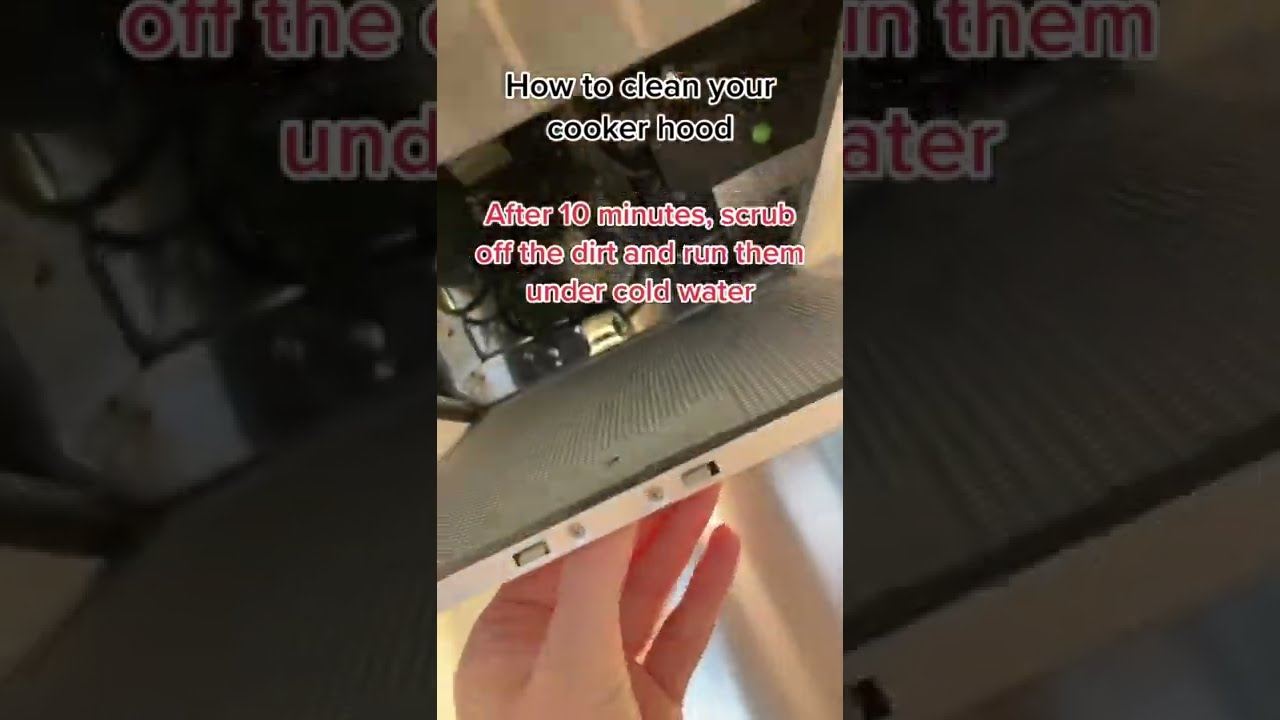
- Filters: These are the first line of defense, but also the first place to clog. They must be removed, soaked in a specialized degreaser, and scrubbed thoroughly. Do not just rinse them—they must be de-greased. Ductwork: This is the most critical and often overlooked area. The ductwork must be vacuumed and scrubbed from the inside out. The buildup here is often caked on and requires commercial-grade solvents. Extraction Hood Body: The metal housing itself needs degreasing, especially around the seams and vents where grease tends to pool. Grease Traps: These must be emptied, flushed, and checked for proper function. A clogged trap is an immediate compliance failure.
When you follow a detailed rangehood cleaning checklist for Sydney businesses, you are essentially giving the system a full physical and chemical overhaul.

Beyond the Scrub: Maintenance and Professional Oversight
Achieving a clean rangehood is a marathon, not a sprint. The best cleaning effort can be undone by neglect. The key to long-term compliance is establishing a predictable, rigorous maintenance schedule.
Differentiating Routine vs. Deep Cleaning
There is a difference between a quick wipe-down done during a busy shift and a professional deep clean.
- Routine Cleaning (Daily/Weekly): Focuses on visible debris, wiping down external surfaces, and ensuring filters are free of obvious food residue. This keeps the kitchen looking good and prevents immediate clogs. Deep Cleaning (Quarterly/Semi-Annually): This is the comprehensive process that requires professional equipment. It tackles the ductwork, the internal components, and the deep grease traps. This is the gold standard of a rangehood cleaning checklist for Sydney businesses.
"Safety is not a department; it is a culture. It must be woven into the daily fabric of every operation."
Knowing When to Call the Experts
While internal staff can handle routine cleaning, the complexities of ductwork and commercial-grade degreasing are best left to professionals. Commercial kitchen exhaust systems are pressurized, intricate, and potentially dangerous to work on without specialized training and equipment.

A professional service doesn't just clean; they assess. They identify potential structural weaknesses, recommend upgrades (like improved filtration or different materials), and ensure that the system is working at peak efficiency. Do you really want to be guessing when the system fails?
Ensuring Longevity and Peak Performance
Your kitchen equipment is a significant investment, and its lifespan depends heavily on the care it receives. By treating the rangehood system with the respect it deserves—by sticking to a detailed rangehood cleaning checklist for Sydney businesses—you are protecting your profits, your staff, and Go here your reputation.
Ultimately, maintaining a clean rangehood system is a cyclical process of vigilance. It requires commitment, discipline, and a willingness to treat cleaning as a critical operational task, not a chore to be skipped when the lunch rush hits. By embedding these practices into your daily routine, you ensure that your kitchen remains a safe, efficient, and compliant hub of culinary creativity for years to come.